

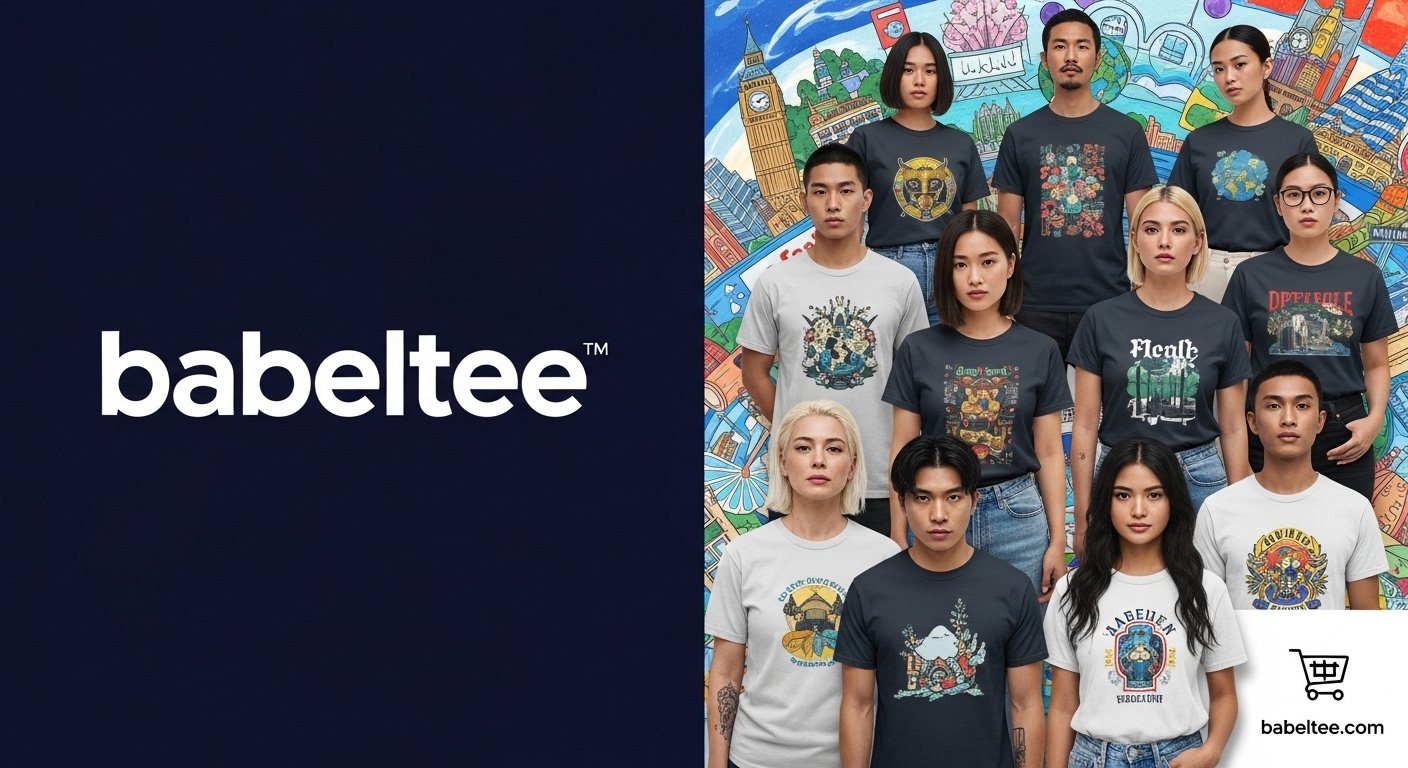
Late one evening, somewhere between a casual scroll and a curious click, a shopper lands on a storefront that feels different. It is not just another apparel brand pushing slogans and seasonal drops. Instead, it feels curated, layered, and quietly global. That first encounter captures the essence of Babeltee, a name that has begun to circulate among founders, creators, and digitally native consumers who crave more than fast fashion. In a crowded online retail landscape, Babeltee is emerging as a reflection of how modern identity, culture, and commerce are converging.
At first glance, the appeal seems simple: clothing with personality. But beneath the surface lies a broader narrative about how global culture is being reinterpreted through design, storytelling, and digital access. Babeltee is less about garments and more about expression in a borderless marketplace where trends no longer belong to one geography or generation.
The Rise of Culture-Led Fashion
Over the past decade, online fashion has undergone a subtle shift. Where once scale and speed dominated, today’s consumers are searching for authenticity. The global audience, especially younger buyers, values originality over mass production. They are drawn to brands that reflect their worldview, not just their wardrobe.
Babeltee sits at the intersection of this shift. It draws inspiration from cultural diversity, urban narratives, and creative micro-communities that thrive online. This positioning makes it particularly relevant to entrepreneurs and digital builders who understand that brand loyalty is increasingly driven by meaning rather than price.
The name itself hints at a symbolic reference. “Babel” evokes the idea of many voices and languages, suggesting multiplicity rather than uniformity. In an era where digital platforms dissolve borders, this concept resonates deeply. A design born in one city can trend globally within hours, and Babeltee appears to lean into that fluidity rather than resist it.
From Apparel to Identity
Fashion has always been a language, but the internet has amplified its vocabulary. Every design now carries context, emotion, and sometimes ideology. What sets Babeltee apart is its focus on wearable narratives. Each piece feels like a conversation starter, often blending visual minimalism with layered meaning.
For founders and creatives, this approach is instructive. It demonstrates how products can evolve into storytelling vehicles. The modern buyer is not simply purchasing a T-shirt. They are buying a fragment of a larger identity ecosystem. This is where Babeltee reflects broader business trends. The strongest brands today operate less like manufacturers and more like publishers of culture.
Interestingly, the rise of independent creators has reshaped expectations. Consumers now expect brands to feel human, not corporate. Babeltee taps into this expectation by leaning toward designs that feel personal rather than institutional. That distinction, subtle as it may seem, is often what separates fleeting labels from enduring ones.
A Digitally Native Brand Philosophy
One of the defining aspects of Babeltee’s emergence is its native relationship with the online world. Unlike legacy apparel brands that transitioned into digital commerce, newer labels are born in an ecosystem shaped by algorithms, social discovery, and community validation.
This shift affects everything from product launches to customer relationships. Traditional seasonal cycles are giving way to continuous storytelling. Brands are no longer defined by quarterly catalogs but by ongoing digital presence. Babeltee appears aligned with this evolution, emphasizing accessibility and global reach without losing the intimacy of niche appeal.
For entrepreneurs observing this space, the lesson is clear. The future of retail lies in blending scalability with specificity. It is not enough to reach millions if the brand voice feels generic. The new competitive edge comes from being globally available yet culturally distinct.
The Global Collection Mindset
The idea of a “global collection” has gained new meaning in the digital era. It no longer refers simply to distribution across regions. Instead, it reflects the fusion of influences that shape a brand’s creative direction.
Babeltee’s positioning as a global collection suggests a deliberate embrace of diversity. Designs appear to pull from multiple cultural cues, creating a tapestry rather than a singular aesthetic. This approach aligns with how digital communities operate. Online, culture is collaborative, remixable, and constantly evolving.
The accessibility of a worldwide collection also changes the consumer experience. Instead of hunting for region-specific styles, buyers can explore a unified catalog that reflects a broader cultural dialogue. For global founders and online sellers, this model highlights the value of removing friction between inspiration and availability.
Why Online Discovery Matters
One of the most transformative aspects of modern commerce is discoverability. The path to a purchase is rarely linear anymore. It might begin with a social clip, move through a creator’s recommendation, and end on a mobile checkout page.
Babeltee’s relevance partly stems from its ability to live comfortably within this discovery loop. It is designed for digital wandering rather than structured browsing. That matters more than it might seem. The brands that thrive today are those that reward curiosity.
From a business perspective, this reflects a deeper shift in consumer psychology. Buyers want to feel like explorers, not targets. The brands that win are those that feel found rather than forced. Babeltee appears to benefit from this dynamic by positioning itself as a destination that invites exploration.
The Business of Cultural Fluidity
For founders studying emerging retail patterns, Babeltee offers an interesting case study in cultural fluidity. In earlier decades, brands often relied on rigid identities. Today, adaptability is a strength.
Cultural fluidity allows brands to evolve alongside their audiences. It encourages experimentation without sacrificing coherence. Babeltee seems to operate within this flexible framework, balancing consistency with creative openness.
This has broader implications for startups and digital ventures. As global audiences become more interconnected, the ability to adapt culturally becomes a strategic advantage. Companies that embrace this reality tend to build stronger emotional resonance with diverse user bases.
Design Language and Emotional Connection
Beyond strategy and positioning, there is the matter of design itself. What makes a brand memorable often lies in its visual language. Babeltee leans toward designs that are expressive without being overwhelming. This balance is difficult to achieve and often overlooked in discussions about fashion startups.
Emotional connection plays a crucial role here. A well-designed piece can evoke nostalgia, humor, or even quiet rebellion. These emotional triggers create loyalty that goes beyond aesthetics. For many modern consumers, especially digital natives, emotional alignment with a brand is as important as product quality.
Entrepreneurs can draw valuable insights from this approach. Emotional branding is not a marketing tactic but a design philosophy. It influences everything from typography to storytelling. Babeltee’s rise suggests that emotional coherence can be as powerful as operational efficiency.
Where Technology Meets Expression
No conversation about emerging fashion brands is complete without acknowledging technology’s influence. From print-on-demand infrastructure to AI-assisted design workflows, technology has lowered barriers to entry while raising expectations for originality.
Babeltee exists within this technologically enabled ecosystem. Digital tools allow smaller brands to operate with agility once reserved for large enterprises. This democratization has led to a more vibrant, competitive landscape where creativity often outweighs capital.
For tech founders observing the space, the takeaway is compelling. Industries traditionally seen as low-tech are being redefined by software and platforms. Apparel is no longer just fabric and logistics. It is data, community, and experience woven together.
The Entrepreneurial Takeaway
For founders and builders, Babeltee represents more than a fashion label. It is a reminder that modern brands are ecosystems. They combine storytelling, design, distribution, and community into a cohesive whole.
This integrated model reflects a broader shift in how businesses scale. Growth is no longer purely transactional. It is relational. The strongest brands cultivate audiences rather than customers. They build narratives rather than catalogs.
Entrepreneurs can apply these lessons beyond fashion. Whether building SaaS platforms or media ventures, the underlying principle remains consistent. People gravitate toward brands that feel alive, layered, and culturally aware.
A Snapshot of the Modern Brand Model
To better understand how Babeltee reflects contemporary brand dynamics, it helps to step back and examine the elements that define digitally native labels today.
| Element | Traditional Brands | Digitally Native Brands like Babeltee |
|---|---|---|
| Identity | Static and logo-driven | Fluid and story-driven |
| Distribution | Region-based retail | Borderless online access |
| Launch Cycles | Seasonal drops | Continuous releases |
| Audience Role | Passive buyers | Active community participants |
| Brand Voice | Corporate and uniform | Conversational and evolving |
This contrast highlights why newer brands resonate differently. They are not merely selling products. They are creating cultural touchpoints that evolve in real time.
The Future of Global Apparel Brands
Looking ahead, the trajectory of brands like Babeltee offers a glimpse into the future of apparel. Global accessibility will continue to expand, but differentiation will hinge on authenticity rather than scale.
As digital ecosystems mature, consumers will likely become even more selective. They will gravitate toward brands that feel intentional and culturally aware. In this environment, the winners will not necessarily be the largest players but the most resonant ones.
Babeltee’s growing visibility suggests that there is room for brands that prioritize storytelling without sacrificing accessibility. It signals a future where global reach and niche appeal are not opposing forces but complementary strengths.
Conclusion
In a world saturated with online storefronts and fleeting trends, Babeltee stands out by embracing a simple yet powerful idea: fashion as a global conversation. It reflects a new generation of brands that thrive on cultural exchange, digital discovery, and emotional resonance. For entrepreneurs and tech-minded readers, its evolution offers more than style inspiration. It provides a blueprint for building brands that feel human in an increasingly automated marketplace.
As commerce continues to blur borders and identities become more fluid, brands that listen, adapt, and tell meaningful stories will shape the next era of retail. Babeltee’s journey hints at that future, one where clothing becomes less about consumption and more about connection.