

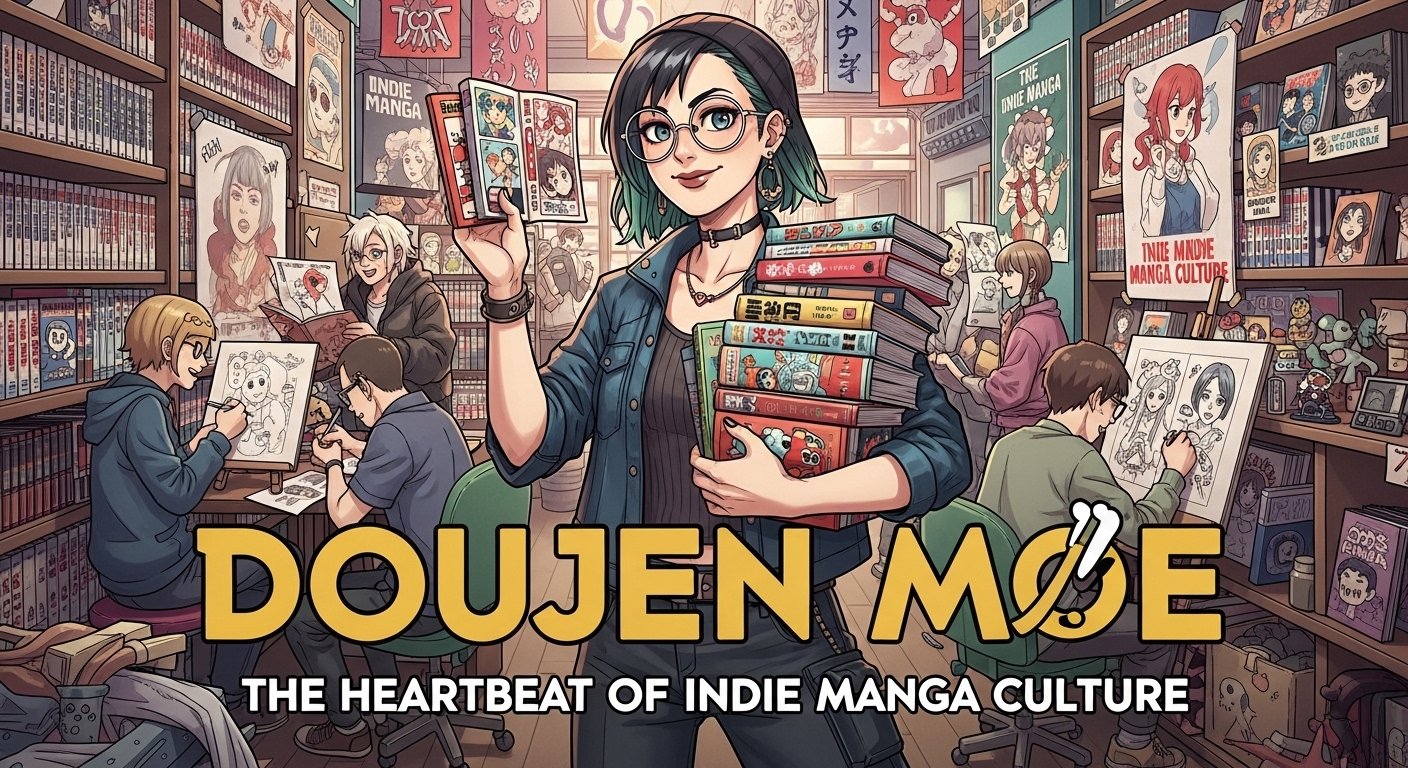
Doujin Moe has emerged as a vibrant pulse within the indie manga scene, capturing the hearts of fans worldwide. This unique platform is more than just a marketplace; it’s a celebration of creativity and self-expression. Whether you’re an avid reader or new to the world of manga, Doujin Moe offers something special for everyone—an opportunity to explore diverse stories and art styles that mainstream publishers often overlook.
Indie manga culture thrives here, allowing artists to connect directly with their audience. It’s where imagination knows no bounds and originality reigns supreme. Dive into this captivating realm as we explore its history, meet influential figures behind Doujin Moe, and discover how this phenomenon continues to shape the future of manga itself.
The History and Evolution of Indie Manga Culture
Indie manga culture has roots that stretch back to the 1970s, when creators began self-publishing their work outside of mainstream practices. This movement offered artists a platform to express their unique styles and storytelling methods.
As technology evolved, so did indie publishing. The rise of digital platforms allowed aspiring mangakas to reach wider audiences without traditional gatekeepers. Fans could now discover hidden gems from undiscovered talent.
The ’90s saw a surge in doujinshi—fan-made comics often centered around popular series. These works blurred the lines between professional and amateur art, fostering communities where creativity thrived.
Today, indie manga continues to flourish globally. Artists experiment with various genres and themes, pushing boundaries further than ever before. Social media connects them directly with fans, creating an interactive experience that fuels growth within this vibrant subculture.
Interview with the Founder of Doujin Moe
I had the privilege of speaking with the founder of Doujin Moe, who shared their vision for creating a platform that celebrates indie manga. The enthusiasm in their voice was palpable as they recounted the humble beginnings.
“We started as a small community,” they reminisced. “We wanted to give artists space to express themselves without constraints.” This passion fuels Doujin Moe’s mission—a haven where creativity thrives and unconventional stories find an audience.
They emphasized collaboration among creators. “It’s not just about individual success; it’s about lifting each other up,” they explained. Each artist contributes uniquely to this vibrant tapestry of talent.
Despite the challenges faced over the years, including navigating copyright issues, their commitment remains steadfast. They believe every story deserves a chance and hope to continue paving paths for emerging voices in indie manga culture.
Popular Artists and Works in the Doujin Moe Community
The Doujin Moe community is a vibrant tapestry of creativity. Artists here often blend unique storytelling with striking visuals. This fusion creates captivating works that resonate with fans worldwide.
One standout artist is Taka, known for their whimsical character designs and heartfelt narratives. Their stories evoke emotions, drawing readers into fantastical worlds filled with rich lore.
Another beloved figure in the community is Sora, whose action-packed manga keeps audiences on the edge of their seats. Sora’s dynamic illustrations breathe life into every panel, making each scene unforgettable.
Then there’s Neko-chan, who explores themes of love and friendship through charming slice-of-life tales. Her art style exudes warmth and has garnered a loyal fanbase eager for more delightful adventures.
These artists contribute significantly to Doujin Moe’s diverse landscape, ensuring it remains an essential part of indie manga culture.
Impact on the Manga Industry
Doujin Moe has significantly influenced the manga industry in various ways. It has provided a platform for independent creators to showcase their work outside traditional publishing constraints. This freedom fosters creativity, allowing artists to explore unconventional themes and styles.
As these indie works gain popularity, they often inspire mainstream publishers. Trends originating from doujin circles frequently make their way into commercially successful titles, merging grassroots innovation with established norms.
Moreover, Doujin Moe fosters community engagement among fans and creators alike. This interaction cultivates a culture where readers feel connected to the artists behind their favorite stories. The sense of belonging enhances fan loyalty and drives interest in both indie and mainstream offerings.
Through events like Comiket and online platforms, Doujin Moe continues to push boundaries, challenging conventional narratives within the manga landscape while enriching it with diverse perspectives.
Controversies Surrounding Indie Manga
The indie manga scene is not without its share of controversies. Touchy subjects often arise, with discussions around artistic freedom versus cultural sensitivities at the forefront. Some works challenge societal norms and provoke strong reactions.
Additionally, there are debates over copyright issues. Many artists draw inspiration from established series or characters, leading to accusations of plagiarism. This gray area can create tension within the community.
Moreover, some fans argue that certain themes in indie manga—like explicit content—can overshadow artistry and storytelling. Critics express concern about the impact on younger audiences who may encounter these works.
As these conversations continue to evolve, they reflect broader societal attitudes toward art and expression. The dialogue surrounding indie manga remains vibrant but fraught with complexity as creators navigate their unique paths while facing scrutiny.
Conclusion: The Future of Doujin Moe
The future of Doujin Moe looks promising as it continues to thrive within the indie manga scene. With a growing community of artists and readers, this platform has become a vital space for creativity and self-expression. As more creators join the movement, we can expect to see diverse narratives that challenge mainstream conventions.
Technological advancements will likely play a significant role in shaping this culture. Digital tools make it easier for artists to produce high-quality content and reach wider audiences. Collaborations across various media—like animation or video games—could further enhance the appeal of indie manga.
Moreover, as awareness increases about the value of independent art, supporters are actively seeking ways to uplift these voices. Crowdfunding campaigns and social media platforms provide essential resources for aspiring talent. This ecosystem fosters innovation while preserving unique storytelling styles.
Challenges remain, especially concerning copyright issues and distribution hurdles faced by many indie creators. However, with community support and ongoing dialogue around these topics, solutions may emerge organically from within the very culture they aim to protect.
As Doujin Moe evolves, its impact on both fans and creators will be profound. The heartbeat of indie manga culture is strong now more than ever—and it’s only set to grow louder in the years ahead.