

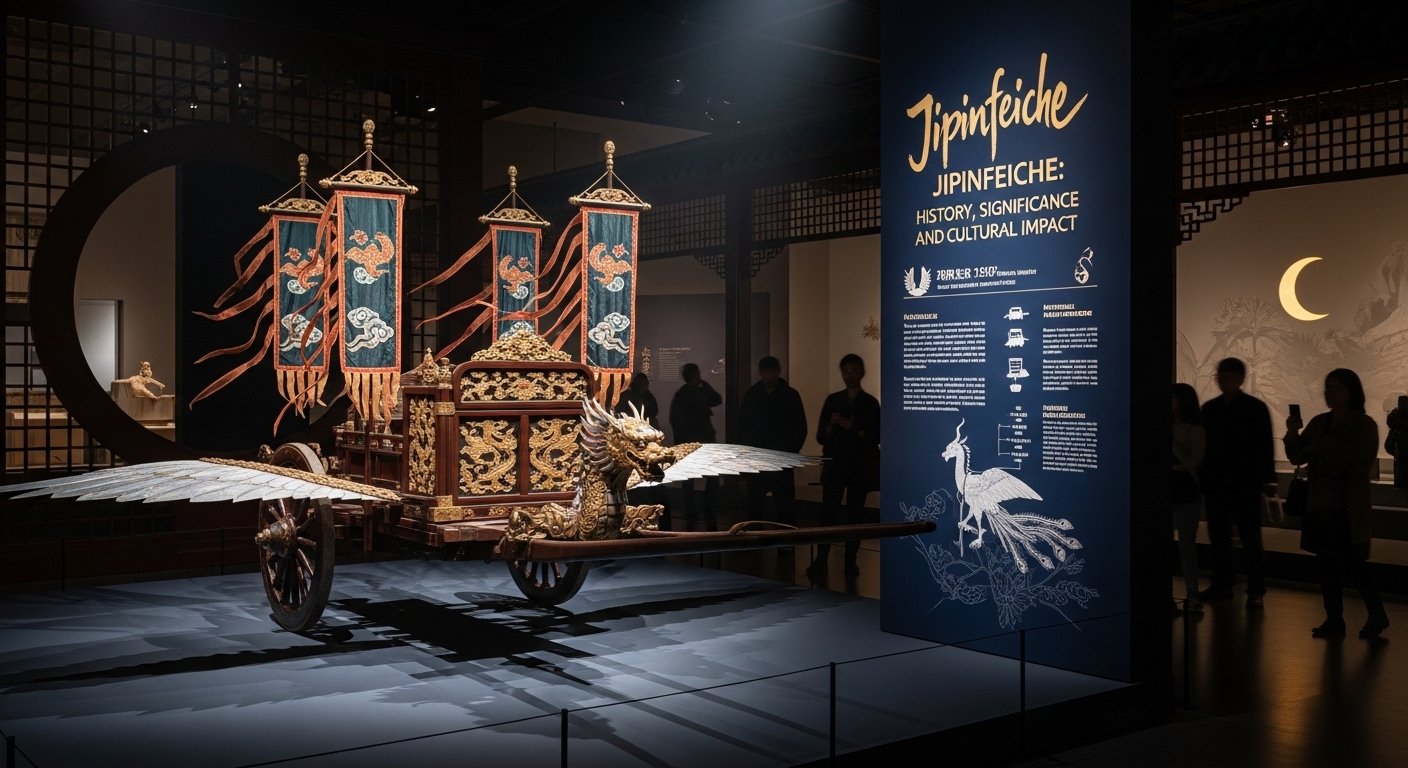
Jipinfeiche is more than just a festival; it’s a vibrant tapestry of history, culture, and community spirit woven together over centuries. As one of the lesser-known yet captivating traditions in Chinese heritage, it invites people from all walks of life to celebrate its rich significance. This festival not only showcases breathtaking displays but also connects generations through shared stories and experiences. Whether you’re familiar with Jipinfeiche or hearing about it for the first time, there’s much to discover within this enchanting celebration that continues to resonate deeply in modern times. Join us on this journey as we explore the history, cultural impact, and contemporary celebrations surrounding Jipinfeiche!
The History of Jipinfeiche
The history of Jipinfeiche is rich and deeply rooted in Chinese tradition. Originating from ancient agricultural practices, it was initially a celebration to honor the harvest and express gratitude for nature’s bounty.
Over centuries, the festival evolved. It began incorporating various cultural elements as communities came together to share their blessings. This transition marked its significance beyond agriculture, forming an essential part of local identity.
Historical records indicate that Jipinfeiche dates back over a thousand years. Local legends often speak of mythical figures associated with the celebrations, adding layers of folklore and spirituality to its narrative.
As dynasties rose and fell, each left its mark on how Jipinfeiche was celebrated. Customs varied by region but always centered around themes of unity, prosperity, and respect for ancestors. These evolving traditions continue to shape modern observances today.
The Significance of Jipinfeiche in Chinese Culture
Jipinfeiche holds a special place in Chinese culture, symbolizing unity and the celebration of life. This festival is deeply rooted in traditions that connect communities through shared rituals and customs.
At its core, Jipinfeiche emphasizes family bonds. Families come together not only to honor their ancestors but also to strengthen relationships among living members. The gatherings foster a sense of belonging and continuity across generations.
The artistic expressions during Jipinfeiche are equally significant. Colorful performances, traditional music, and intricate decorations transform public spaces into vibrant displays of heritage. These elements reflect the creativity inherent in Chinese culture.
Moreover, food plays an essential role during the festivities. Special dishes prepared for this occasion carry stories from the past, linking taste with tradition. Each bite serves as a reminder of cultural identity and history that has endured through time.
How Jipinfeiche is Celebrated Today
Today, Jipinfeiche is celebrated with vibrant enthusiasm across various regions in China. Communities come together to partake in traditional festivities that span several days.
Colorful parades fill the streets, showcasing elaborate floats and performances. Lion dances are a highlight, capturing the attention of onlookers as performers leap and twirl in rhythm.
Families gather for sumptuous feasts featuring seasonal delicacies. The preparation often involves age-old recipes passed down through generations.
Cultural workshops take place, allowing participants to learn crafts like calligraphy or paper-cutting related to the festival’s themes. These activities foster a sense of unity and cultural pride.
Social media plays an important role today too. People share their celebrations online, connecting with friends and family far away while preserving this cherished tradition for future generations.
Cultural Impact of Jipinfeiche on Chinese Society
Jipinfeiche has woven itself into the fabric of Chinese society, influencing various aspects of life. This vibrant festival brings communities together, fostering a sense of unity and belonging.
Through traditional performances and rituals, participants engage with their heritage, creating a collective memory that is passed down through generations. The colors, sounds, and symbols associated with Jipinfeiche serve as reminders of shared values.
Moreover, the festival encourages local economies by promoting artisan crafts and food vendors. Families gather to savor seasonal delicacies tied to specific customs connected with Jipinfeiche.
Social interactions during this time strengthen familial bonds while also inviting newcomers to partake in age-old traditions. It’s not just about celebration; it’s an expression of cultural identity that resonates deeply within Chinese society today.
As global influences grow stronger every year, Jipinfeiche stands firm as a beacon for preserving rich cultural narratives amidst rapid change.
Similar Festivals and Traditions around the World
Across the globe, various festivals mirror the spirit of Jipinfeiche. For instance, Diwali in India celebrates light triumphing over darkness through vibrant decorations and communal gatherings.
In Japan, Hanami marks the arrival of spring with cherry blossom viewing parties. Families and friends gather under blooming trees to enjoy meals together while appreciating nature’s beauty.
The Holi festival in Nepal and India paints streets with color as people throw powdered dyes at one another. This joyous event signifies love, unity, and new beginnings.
Meanwhile, Mexico’s Día de los Muertos honors deceased loved ones with colorful altars filled with food and mementos. It’s a celebration that bridges life and death through remembrance.
These events showcase how cultures honor their traditions while fostering community bonds. Each festival has its unique flair yet shares a common thread—celebration of life’s meaningful moments.
Conclusion
Jipinfeiche is more than just a festival; it represents the essence of Chinese culture and tradition. Its rich history showcases the resilience and creativity of communities coming together to celebrate their heritage. As times change, so does the way Jipinfeiche is observed, yet its core values remain intact.
The modern celebrations highlight a blend of old customs and contemporary practices. This evolution keeps the spirit of Jipinfeiche alive while making it relevant for younger generations. The cultural impact extends beyond individual enjoyment—it fosters unity and pride among families and communities.
Festivals like Jipinfeiche remind us that traditions shape our identities, connect us with our past, and inspire future generations. While there are many similar festivals worldwide, Jipinfeiche stands out as a unique reflection of Chinese culture’s depth and vibrancy.
Embracing this celebration ensures its legacy continues for years to come, allowing everyone to partake in the joy it brings. By understanding its significance today, we can appreciate how deeply ingrained such traditions are within society’s fabric.